
Face Moves
Results from a gender affirming facial surgery are often wondrous and life-changing, but the recovery can be a long and uncomfortable process. Many people understandably are very tentative at first to move their face due to stiffness or fear of pain or causing damage. This is related to a natural sense of being careful after any surgery, but also to the fact that the face is a very special part of the body. It is where you talk, eat, breathe, and have an essential physical sense of self. However, like any surgery, not moving can inhibit recovery. In fact, facial surgeons, like most surgeons, want you to move sooner rather than later to help your face adjust to its new contours.
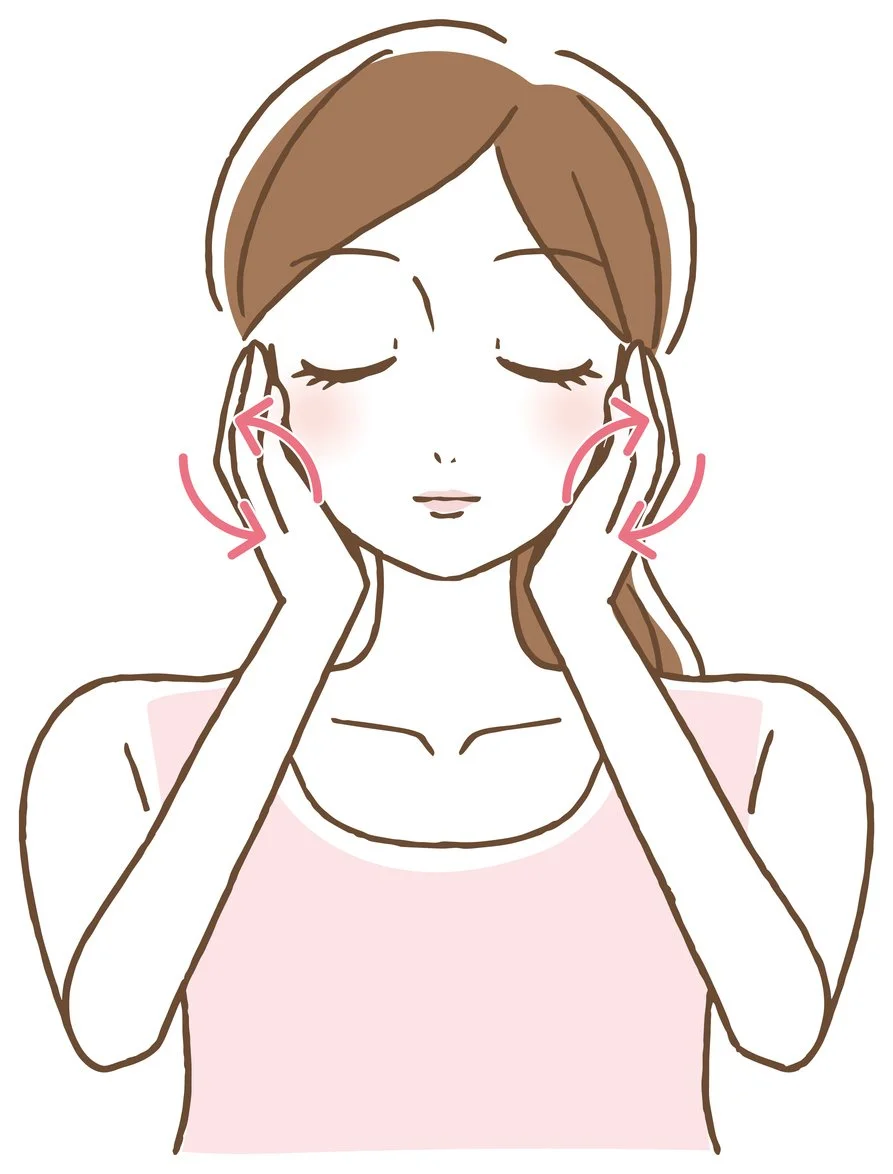
Drawing from my training and experience in treating speech, voice, and swallowing disorders, particularly post-surgical rehabilitation and manual therapy, I have applied exercises and techniques to gender affirming facial surgery to create a program called Face Moves in order to help patients get moving once they return home. They are exercises to be done on your own, in addition to other parts of your aftercare that you may be doing, such as pain management, hilo therapy, or lymphatic drainage. They are designed to improve range of motion, coordination of movement, muscle tone, strength of movement, and sensation of the muscles of the face, including the brow, nose, cheeks, tongue, lips, and jaw. They can extend to the neck and shoulders as well, which can indirectly influence the facial muscles. Some example exercises include:
Circular massage
Exaggerated chewing motion
Eyebrow lift
Nose scrunch
Puffing out the cheeks
Jaw drop
Neck turns
I have implemented this program in coordination with facial surgeons primarily on a case-by-case basis. I have also developed a specific video-based home program for chin and jaw FFS for Facial Team, who has integrated it into their multidisciplinary aftercare regimen. For further information, check out my blog post on their website here.
Anecdotal evidence of Face Moves has been very encouraging. Clients have shown and/or reported improved movement, sensation, confidence, and overall enhancement in their recovery. Possible general benefits include:
A quicker recovery period
Improved re-adaptation of the muscles after surgery
Increased variety of facial expressiveness for communication
An improved sense of control sooner in the recovery process
Whoever your surgeon is, ask whether Face Moves may be right for you. If so, I will do an initial assessment to determine which exercises apply to your particular surgery and recovery status. I then follow you over a series of weeks as you do daily exercises, keeping your surgeon in the loop. I may also employ manual therapy (gentle touch) to augment the exercises.