
Manual therapy
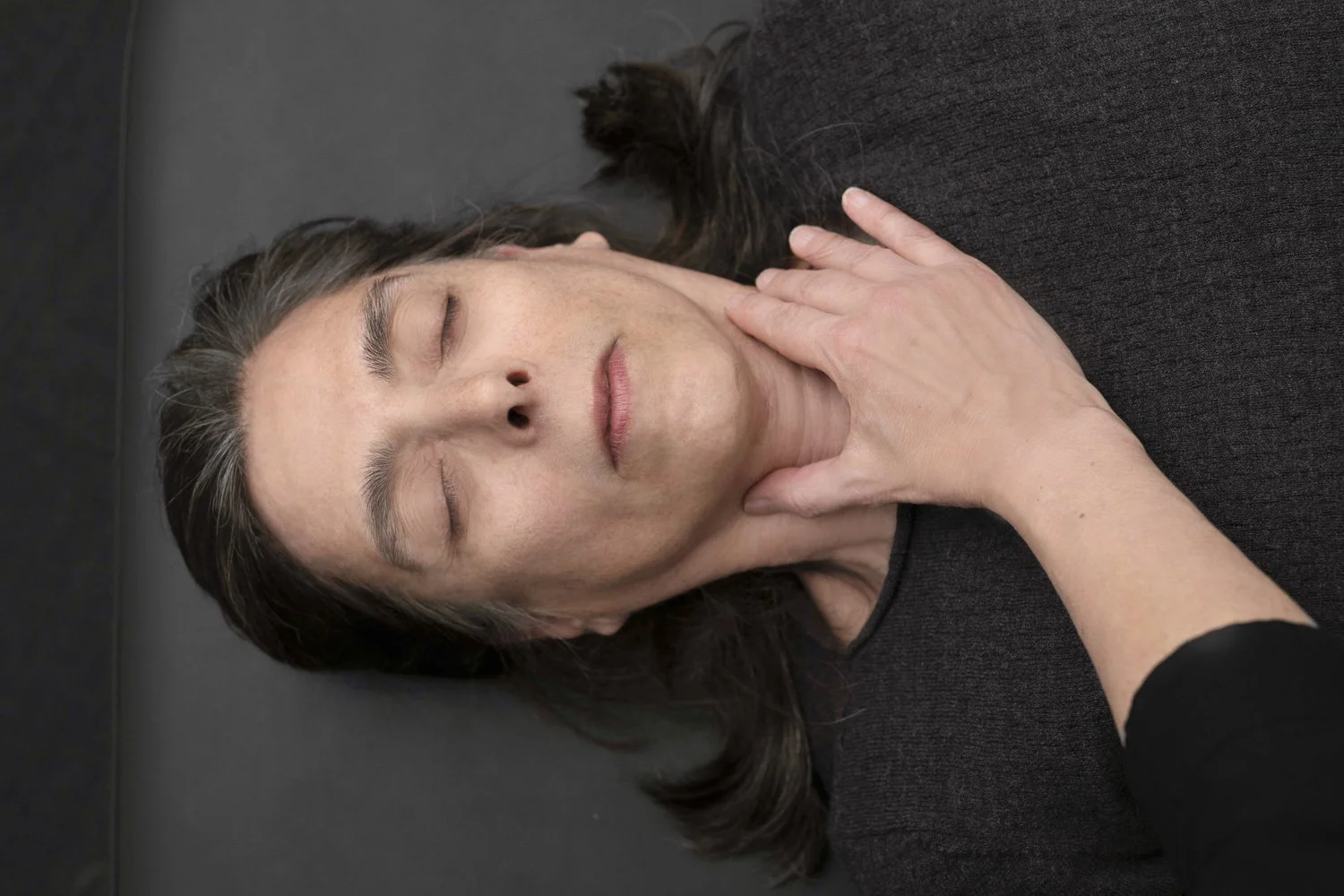
Tension in the body can significantly affect how well it functions. It can play a role in many voice, speech, and swallowing problems either directly or indirectly. There are many examples of underlying causes, such as weak vocal folds, TMJ disorder, a neuromuscular disorder, a shoulder injury, a painful tooth, a short frenulum (that thin, rope-like piece of skin under your tongue), everyday stress, poor posture, or simply trying too hard when speaking or singing.
Manual therapy is a gentle hands-on modality for treating tension that is similar to massage but with a specific functional purpose. In the context of voice, speech, and swallowing, it can be used to improve function by increasing the range and quality of muscle movement, calming the nervous system, reducing or eliminating pain, or recovering from surgery.
I integrate manual therapy into my work in a comprehensive way. With extensive training from massage therapists, physical therapists, and specialized speech-language pathologists, I use an approach that incorporates techniques from various types of manual therapy, including:
Myofascial release
Craniosacral therapy
Contract relax therapy
Positional therapy
Visceral manipulation
These modalities all involve light touch to different areas of the upper body and inside the mouth while the client is sitting in a chair or lying down on a massage table. This includes the head, shoulders, neck, face, jaw, tongue, diaphragm, and/or throat (the larynx and related structures) as needed. During touch, I may ask the client for feedback regarding sensation and comfort level.
Are you a candidate for this kind of treatment? During an initial assessment, I will ask you about chronic tension and pain, look and feel for tension to determine how much you have, and how much it is interfering with function. Intervention can be separate from or integrated into sessions that involve direct voice, speech, and/or swallowing exercises, all under one roof. If and when exercises are challenging due to stress or anxiety (including dysphoria), a short period of manual therapy can be a useful way to calm the nervous system and increase somatic/body awareness. Whether in the present moment or over time, this treatment follows the direction of your body and mind to guide it towards healing.